Tango and Health: Mind-Body Benefits
Physical and mental health benefits of tango. Scientific research, exercise value, and therapeutic effects.
Physical and mental health benefits of tango. Scientific research, exercise value, and therapeutic effects.
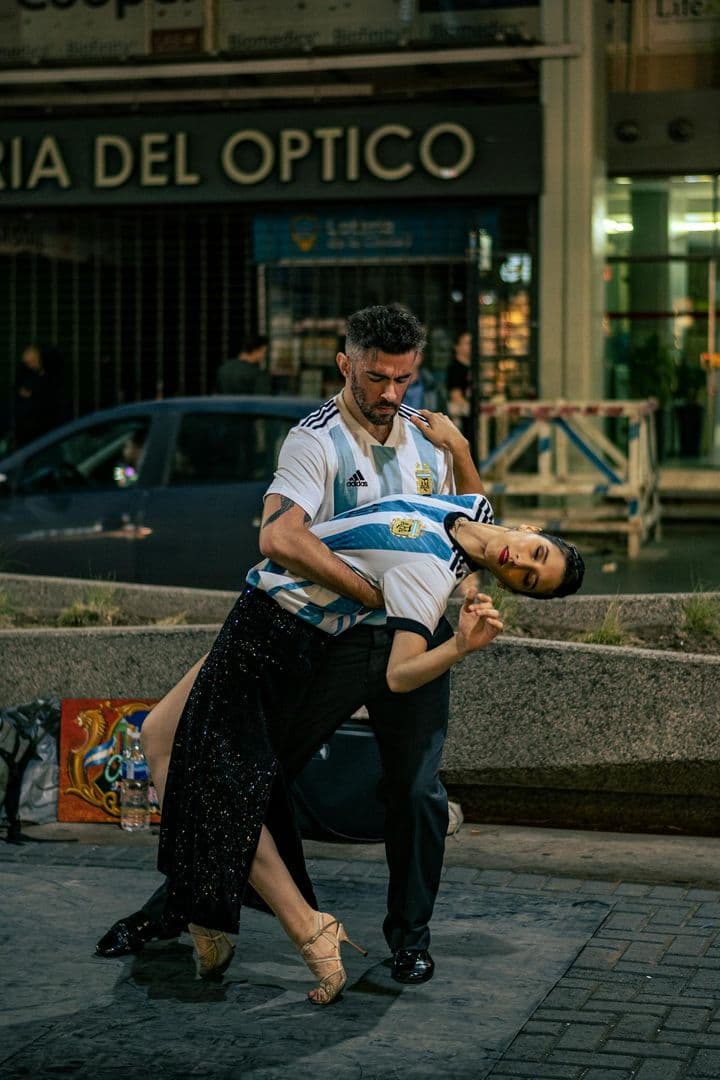
Tango is not just a beautiful dance—it's also a powerful health activity. Scientific research increasingly reveals tango's positive effects on physical, mental, and emotional health.
Gamze YıldızMy students always say: "I've felt better since I started tango." This isn't just a feeling—science backs it up.
Tango is moderate-intensity aerobic exercise:
| Activity | Calories Burned (hour) |
|---|---|
| Tango | 300-400 |
| Walking | 200-300 |
| Cycling | 400-600 |
| Swimming | 500-700 |
Benefits:
Muscles tango works:
Benefits:
Tango is rich in balance work:
Studies show that seniors who dance tango reduce their fall risk by up to 50%.
Tango exercises the brain:
| Study | Findings |
|---|---|
| New England Journal of Medicine | Dancing reduces dementia risk by 76% |
| Frontiers in Aging Neuroscience | Tango improves memory |
| Journal of Geriatric Psychiatry | Tango reduces depression symptoms |
Tango increases brain plasticity:
Gamze YıldızTango keeps your brain young. Every new figure means a new neural pathway.
Tango fights stress:
Research shows:
Tango breaks isolation:
Tango therapy has been proven to improve motor functions in Parkinson's patients.
Programs where tango is used as a therapeutic tool, managed by professionals.
Research findings:
| Tango Type | Calories/Hour |
|---|---|
| Social milonga | 250-350 |
| Intensive practice | 350-450 |
| Performance | 400-500 |
| Lesson | 200-300 |
| Activity | Calories | Social | Cognitive |
|---|---|---|---|
| Tango | ★★★ | ★★★★★ | ★★★★★ |
| Running | ★★★★ | ★ | ★★ |
| Yoga | ★★ | ★★★ | ★★★ |
| Swimming | ★★★★ | ★ | ★★ |
| Ballroom | ★★★ | ★★★★ | ★★★★ |
Watch Out For:
Common Issues:
| Advantage | Explanation |
|---|---|
| Social | Meet new people every class |
| Mental | Continuous learning |
| Music | Emotional connection |
| Culture | Rich history and tradition |
| No age limit | Can be done at any age |
| Global | Milongas worldwide |
Brain imaging studies:
Recommended:
| Goal | Recommendation |
|---|---|
| Weight loss | +milonga attendance |
| Stress relief | Evening classes |
| Socializing | Group lessons |
| Balance | Private lessons |
Tango is a health investment you enjoy making. Physical activity, mental stimulation, and social connection—all in one dance. Science increasingly reveals tango's benefits.
Improve your health by dancing, slow down aging, and enjoy life. Tango is like medicine—with the only side effect being happiness!
Tango and Health Cluster:
Related Topics:

The best age to start tango is your current age...

Stay fit while dancing: Tango's fitness benefits...
Hearing the rhythm is easy, dancing it is art...