Tango History: From Buenos Aires to the World
The history of Argentine Tango. From its birth to today, from Buenos Aires to global recognition. Tango's golden age and evolution.
The history of Argentine Tango. From its birth to today, from Buenos Aires to global recognition. Tango's golden age and evolution.
Tango was born in the late 19th century in the outskirts of Buenos Aires. Emerging from the cultural fusion of immigrants, gauchos, and locals, this dance is now recognized as a world heritage.
Gamze YıldızTango is more than a dance—it's a human story. A language of sorrows, loves, and hopes.
Where tango was born:
The cultures that shaped tango:
| Culture | Contribution |
|---|---|
| Africa | Rhythm, movement |
| Spain | Melody, poetry |
| Italy | Musical tradition |
| Indigenous | Gaucho culture |
| Habanera | Cuban influence |
In the early days, tango was danced between men. Women joined later.
In the 1910s, tango reached Paris:
During this period:
Tango's characteristic instrument. A type of accordion that came from Germany.
This period was tango's peak:
| Orchestra | Leader | Style |
|---|---|---|
| Juan D'Arienzo | "El Rey del Compás" | Rhythmic |
| Carlos Di Sarli | "El Señor del Tango" | Melodic |
| Osvaldo Pugliese | Dramatic | Avant-garde |
| Aníbal Troilo | "Pichuco" | Emotional |
(1890-1935) Tango's most famous singer. Known as 'Zorzal Criollo'.
Gardel's legacy:
Tango was banned or restricted:
The modern tango music movement pioneered by Astor Piazzolla.
Astor Piazzolla (1921-1992):
Democracy returned to Argentina in 1983:
1983 on Broadway, "Tango Argentino":
In 2009, tango was added to UNESCO's list:
Today, worldwide:
| Style | Period | Characteristic |
|---|---|---|
| Canyengue | 1900-1920 | First form |
| Orillero | 1920-1935 | Neighborhood style |
| Salon | 1935-1955 | Golden age |
| Milonguero | 1950+ | Close embrace |
| Nuevo | 1990+ | Modern |
| Neo | 2000+ | Fusion |
Tango in Turkey:
Today in Istanbul:
Gamze YıldızTango holds a special place in Turkey. In this city where East meets West, tango's passion takes on a different meaning.
| Year | Event |
|---|---|
| ~1880 | Birth of tango |
| 1910 | Tangomania in Paris |
| 1917 | "Mi Noche Triste" first tango song |
| 1935 | Gardel's death |
| 1935-1955 | Golden Age |
| 1983 | "Tango Argentino" Broadway |
| 2009 | UNESCO list |
Tango is an extraordinary journey from the outskirts of Buenos Aires to UNESCO's world heritage list. From immigrant melancholy to world stage glamour.
Every tango step carries this history. Every abrazo shares that story.
Tango History Cluster:
Related Topics:
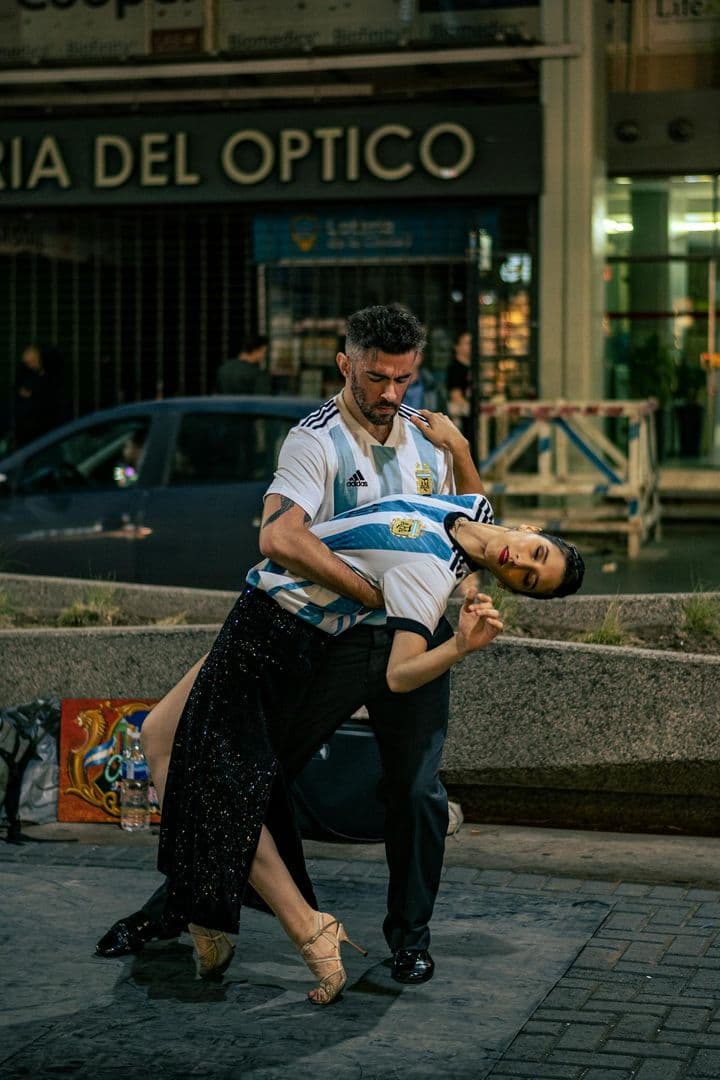
The story of this passion that spread from the streets of Buenos Aires to the world...

The man who sings better every day: The legendary story of Carlos Gardel...
The history of tango, its basic steps, culture, and how you can learn it... A comprehensive journey into the world of tango from Gamze's perspective.