Ana içeriğe atla

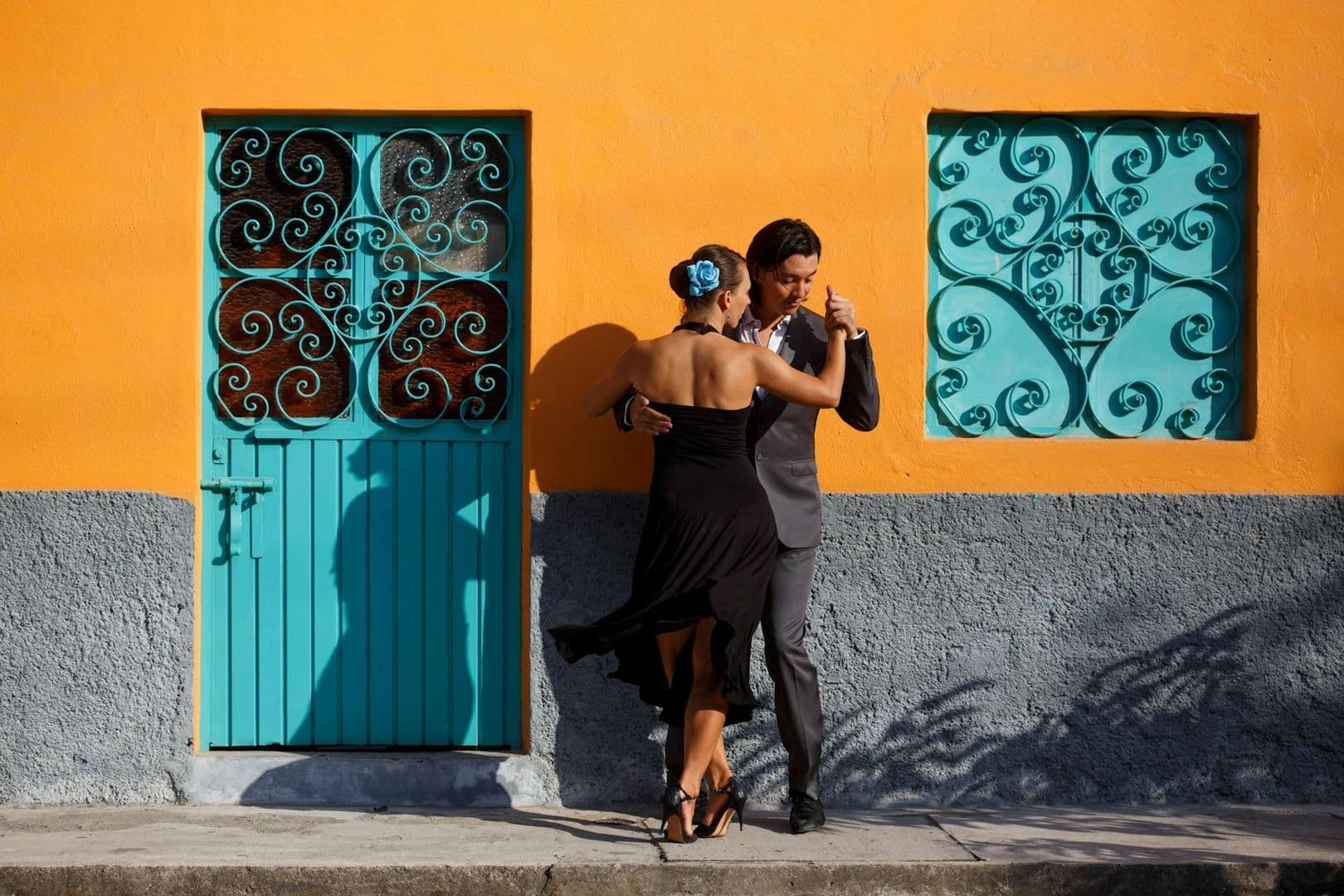
When you first hear the word "milonga," it can be confusing. Is it a type of music? A dance? A venue? Actually, it's all of these! But most importantly, a milonga is a community, a family, a culture.

The milonga is the heart of tango. There you apply what you've learned, meet new people, and experience the soul of tango.

Gamze Yıldız

Milonga: Three Different Meanings

1. Milonga - Music Genre

Tango music's "cheerful cousin." In 2/4 time, fast and lively.

  • Requires simpler steps
  • Energetic and fun
  • Played as tandas at milonga nights

2. Milonga - Dance Style

The dance accompanying milonga music:

  • Fast, rhythmic
  • Traspié (playful footwork)
  • Fewer figures, more energy

3. Milonga - Social Event

The subject of this article: The social evening where tango dancers gather.


What Is a Milonga Night?

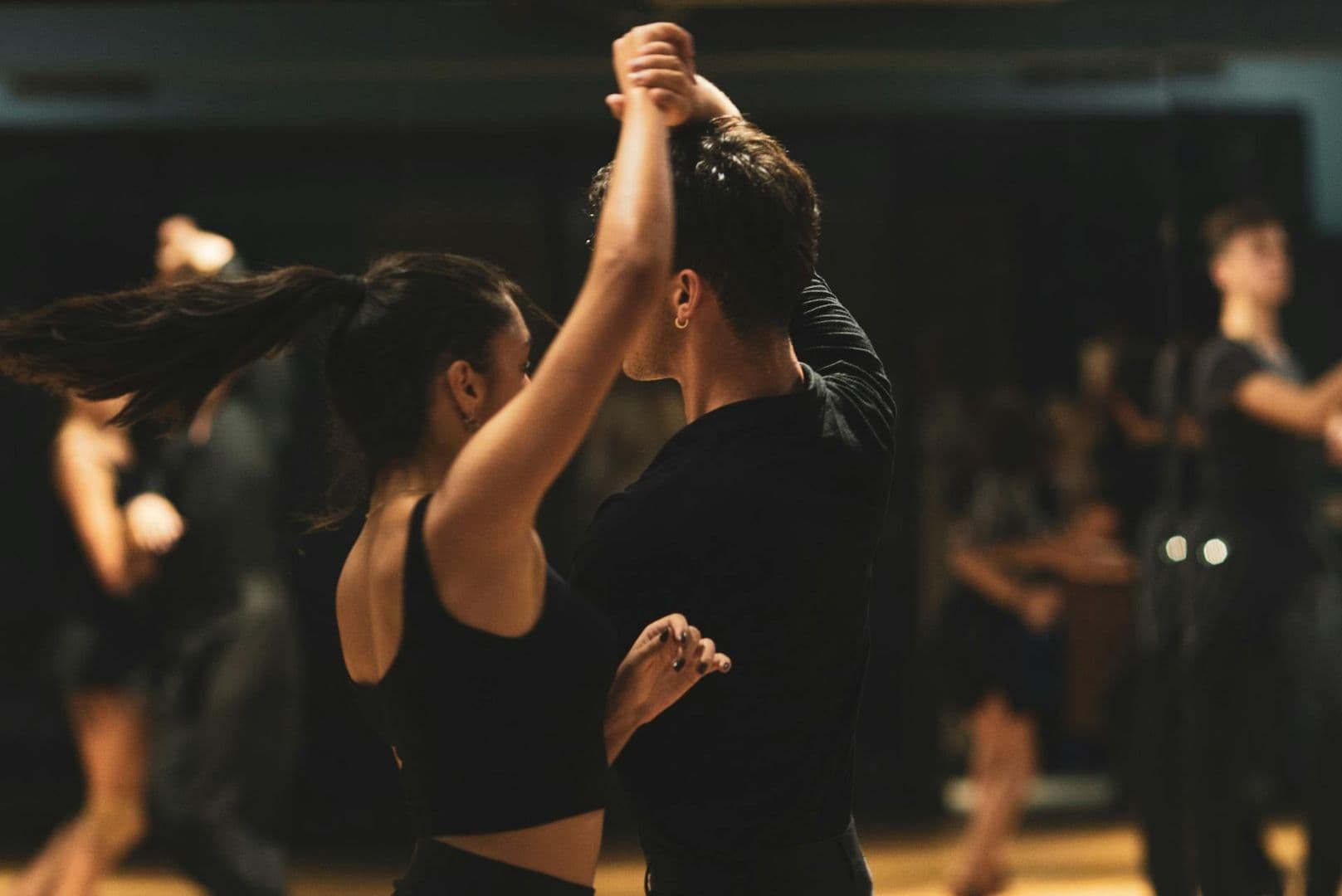
A milonga is a social event where tango dancers come together to dance. You can think of it as a "tango party" but it's much more than that!

A Typical Milonga Night

TimeActivity
9:00 PMDoors open, early arrivals
9:30 PMDancing begins (slow tempo)
10:00 PMAtmosphere warms up
11:00 PMPeak crowd
12:00 AMHighest point
1:00-2:00 AMClosing

Milongas in Istanbul

In Istanbul, milongas are usually held on Friday and Saturday evenings. Some also happen on weekdays.

Milonga vs. Practica

FeatureMilongaPractica
AtmosphereFormalRelaxed
Dress codeElegantCasual
Dance invitationCabeceoVerbal
TalkingNot during danceAllowed
TeachingForbiddenAllowed

Milonga Culture

Códigos (Rules)

Milongas have unwritten rules:

  1. Cabeceo - Dance invitation through eye contact
  2. Tanda - A set of 3-4 songs
  3. Cortina - Music between tandas (signal to change partners)
  4. Ronda - Clockwise dance flow
  5. Abrazo - Embrace position

For Beginners

These rules may seem complicated at first but become natural over time. You can find details in our Milonga Etiquette article.

Milonga Atmosphere

  • Lighting: Dim, romantic
  • Music: Tandas selected by DJ
  • Tables: Arranged around the floor
  • Dance floor: Parquet or wooden surface
  • Bar: Light food and drinks

Types of Milongas

1. Traditional Milonga

  • Only Golden Age music (1935-1955)
  • Strict códigos
  • Generally older community
  • Classic atmosphere

2. Modern/Neolonga

  • Alternative music may be played
  • More flexible rules
  • Younger community
  • Relaxed atmosphere

3. Practica Milonga

  • Elements of both practica and milonga
  • Learning and dancing together
  • Ideal for beginners

4. Themed Milongas

  • Milonga de los Viernes: Friday milonga
  • Milonga al Aire Libre: Outdoor
  • Marathon Milonga: Extended duration (at festivals)

Preparing for Your First Milonga

What to Wear?

Women:

  • Elegant skirt or dress
  • Dance-appropriate heeled shoes
  • Clothing allowing freedom of movement

Men:

  • Dress shirt (tie optional)
  • Dress pants
  • Clean, non-slip soled shoes

What to Bring?

  • Spare shoes
  • Small towel
  • Water
  • Cash (entry fee + drinks)

Mental Preparation

  1. Expectation management: Not every dance will be perfect
  2. Patience: You may dance little at your first milonga
  3. Openness: Be ready to meet new people
  4. Enjoyment: You're there to dance, don't stress!

Milonga Ethics

✅ Do

  • Make eye contact (cabeceo)
  • Dance until the tanda ends
  • Say thank you
  • Follow the ronda
  • Pay attention to hygiene

❌ Don't

  • Try to teach during the dance
  • Insist after being rejected
  • Leave in the middle of a tanda
  • Stop in the middle of the floor
  • Bump into others

Milonga Culture Around the World

Buenos Aires

  • Where tango was born
  • Dozens of milongas every night
  • Códigos are very important
  • Legendary venues: Salon Canning, La Viruta

Europe

  • Strong festival culture
  • Marathon milongas are popular
  • More flexible rules

Istanbul

  • Growing tango community
  • Several milongas per week
  • Warm and friendly atmosphere

Why Should We Go to Milongas?

  1. Practice: Apply what you learn in class
  2. Socializing: Meet new people
  3. Motivation: See your progress
  4. Culture: Experience the soul of tango
  5. Fun: Dancing is wonderful!

Tip from Gamze

Go to your first milonga with a friend or your instructor. Seeing a familiar face will be comforting.


Conclusion

A milonga is an essential part of your tango journey. It's not just a place where you dance, but an experience where you meet your family, live the culture, and feel the soul of tango. Take the first step, go to a milonga!


Related Articles:
Related Posts